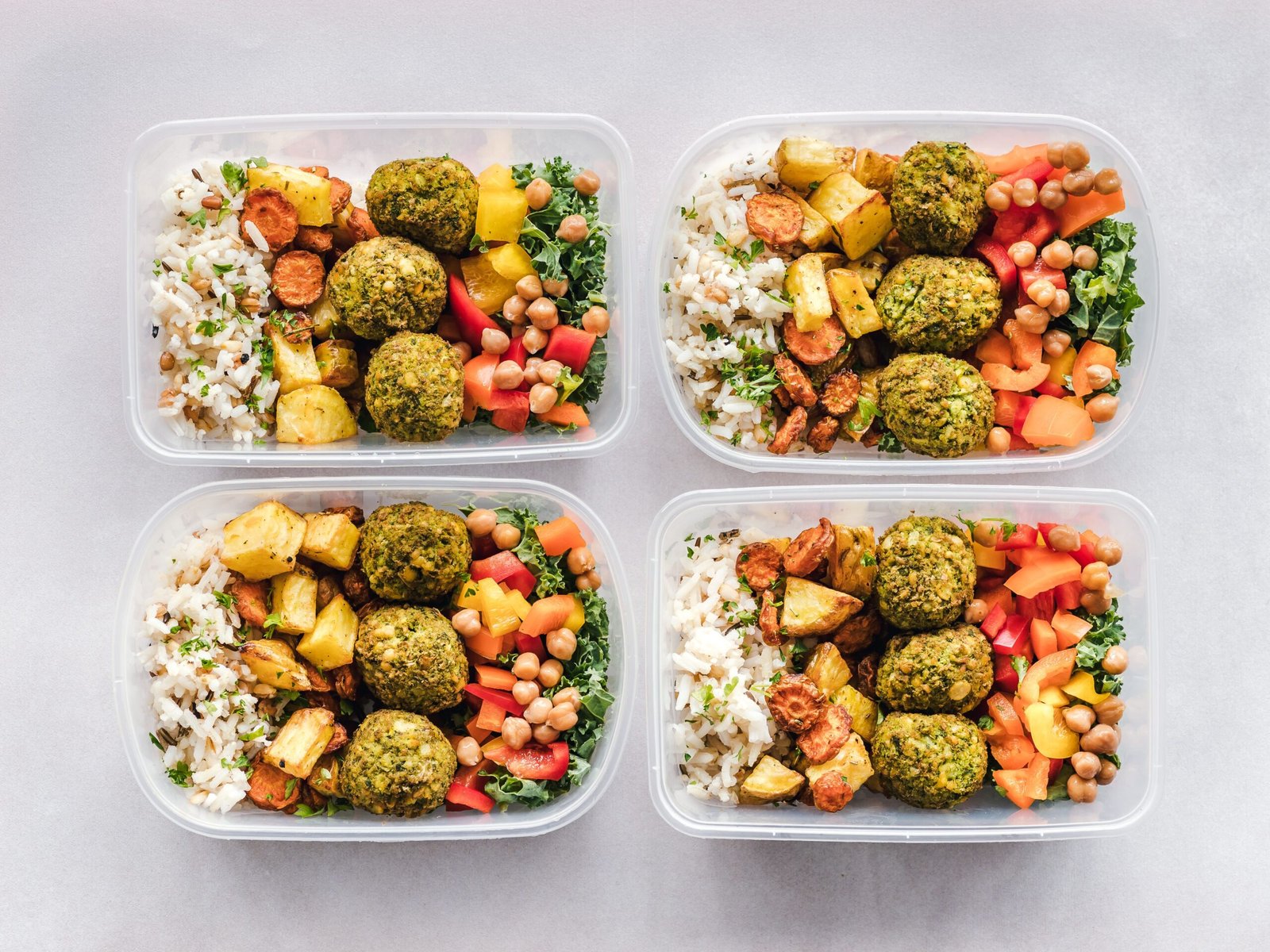
Looking for meals that keep you full without taking hours to make? These high fiber high protein meals combine foods like chicken, eggs, fish, beans, lentils, vegetables, and whole grains. They are simple, tasty, and easy to fit into a busy week.
The key is simple: pair a good protein source with fiber-rich foods. This can help make meals more satisfying while adding variety to your plate.
Why These Meals Work
Protein comes from foods like chicken, fish, eggs, dairy, beans, lentils, tofu, nuts, and seeds. Fiber is found in beans, lentils, vegetables, fruits, whole grains, nuts, and seeds. Combining both gives you a simple base for balanced meals.
For example, chicken and black beans make a strong pair. Add vegetables and brown rice, and you have a meal with protein, fiber, color, and texture.
How to Build Them
Start with one protein source and add one or two high-fiber foods. Chicken with beans, eggs with vegetables, salmon with quinoa, or tofu with edamame are easy combinations.
Then add vegetables, whole grains, or healthy fats such as avocado, nuts, or seeds. Herbs, spices, lemon, salsa, and simple sauces can add plenty of flavor.
Easy Foods to Use
Keep a few basic foods on hand to make high protein high fiber meals fast. Good choices include:
- Chicken, turkey, eggs, fish, tofu, and Greek yogurt
- Beans, lentils, chickpeas, and edamame
- Oats, quinoa, barley, and brown rice
- Broccoli, spinach, peppers, carrots, tomatoes, and cabbage
- Berries, apples, avocado, nuts, and seeds
These foods can be mixed in many ways, so you do not need a new recipe every day.
Table of Contents
Meal 1: Chicken and Black Bean Burrito Bowl
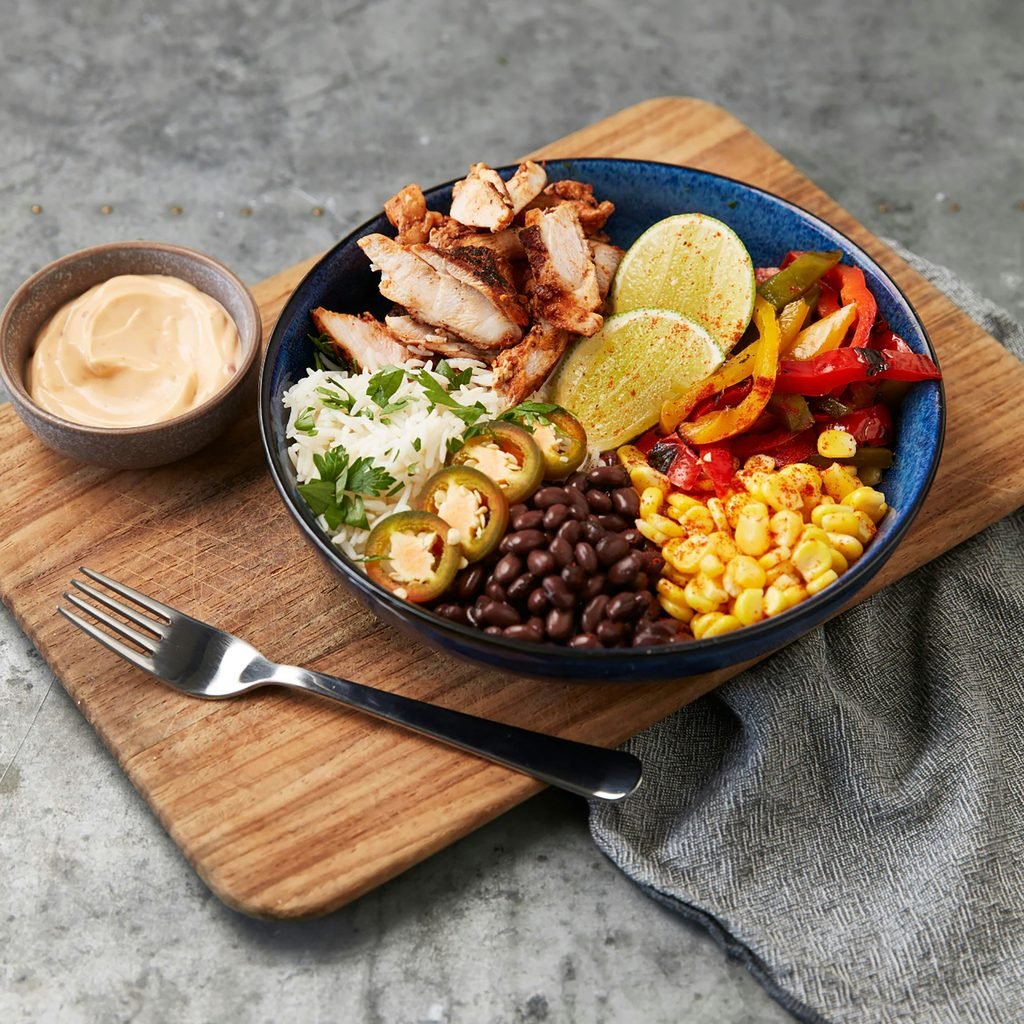
A chicken and black bean burrito bowl is one of the easiest high fiber high protein meals to customize. Start with grilled or roasted chicken, then add black beans, brown rice, lettuce, tomatoes, corn, onions, and salsa. Black beans bring both protein and fiber, while chicken adds a concentrated protein source. Brown rice and vegetables round out the bowl with carbohydrates, fiber, texture, and color, while avocado can provide a creamy finish.
For extra flavor, season the chicken with chili powder, cumin, garlic, paprika, and lime juice. You can roast the vegetables while the chicken cooks, which makes the meal easier to prepare in batches. If you want more fiber, use extra beans and vegetables rather than simply adding more rice. If you prefer a lighter bowl, replace some of the rice with shredded lettuce or cauliflower rice.
This meal also works well for leftovers. Store the cooked ingredients separately or build several bowls at once for quick lunches. Add salsa just before eating so the vegetables and rice do not become soggy. You can also swap chicken for lean turkey, tofu, or extra beans when you want a meat-free option.
Meal 2: Lentil and Turkey Chili
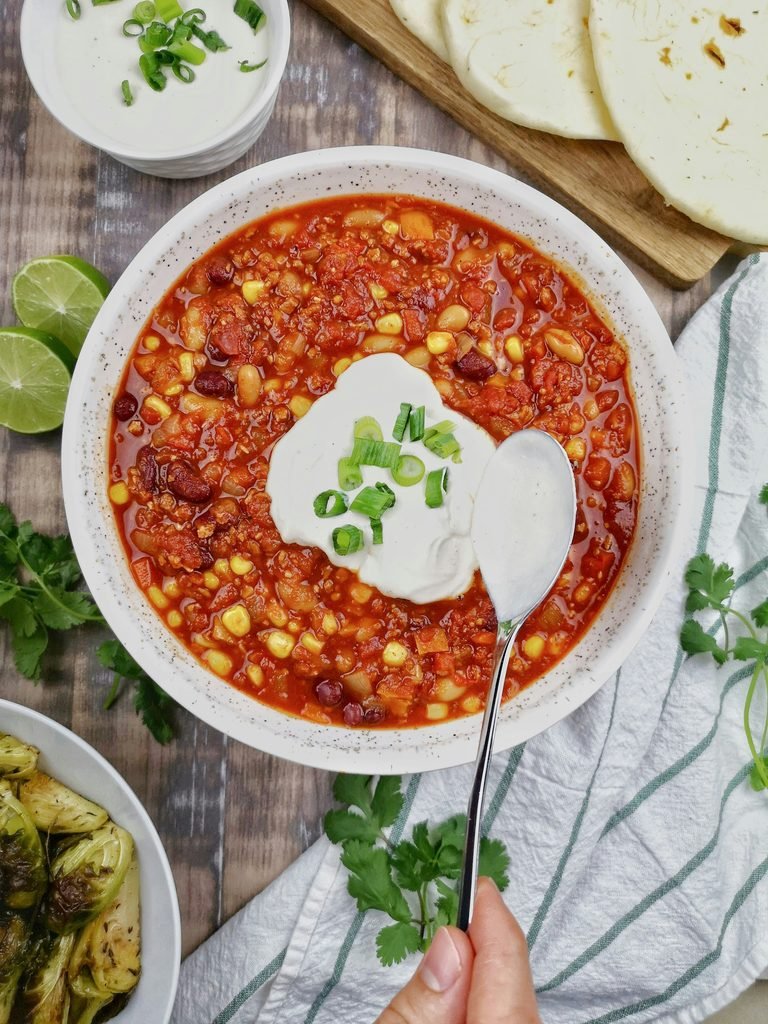
Lentil and turkey chili is a warm, hearty option when you want one-pot high protein high fiber meals. Lean ground turkey supplies protein, while lentils and beans add fiber and plant-based protein. Tomatoes, onions, peppers, and spices create a rich base without needing a heavy sauce. The result is thick, savory, and filling enough to serve as a complete meal.
Use green or brown lentils because they hold their shape well during cooking. Add kidney beans or black beans for extra texture, then season the chili with cumin, chili powder, paprika, garlic, and oregano. If you like heat, add jalapeño or red pepper flakes. You can serve it with a small portion of brown rice, whole-grain bread, or simply a bowl of chopped vegetables.
Chili is especially useful for meal prep because the flavor can improve after sitting overnight. Make a large pot, divide it into containers, and refrigerate or freeze portions for later. When serving, top it with Greek yogurt, chopped cilantro, avocado, or a little shredded cheese. These toppings can change the texture without turning the meal into something complicated.
Meal 3: Greek Chicken and Chickpea Salad
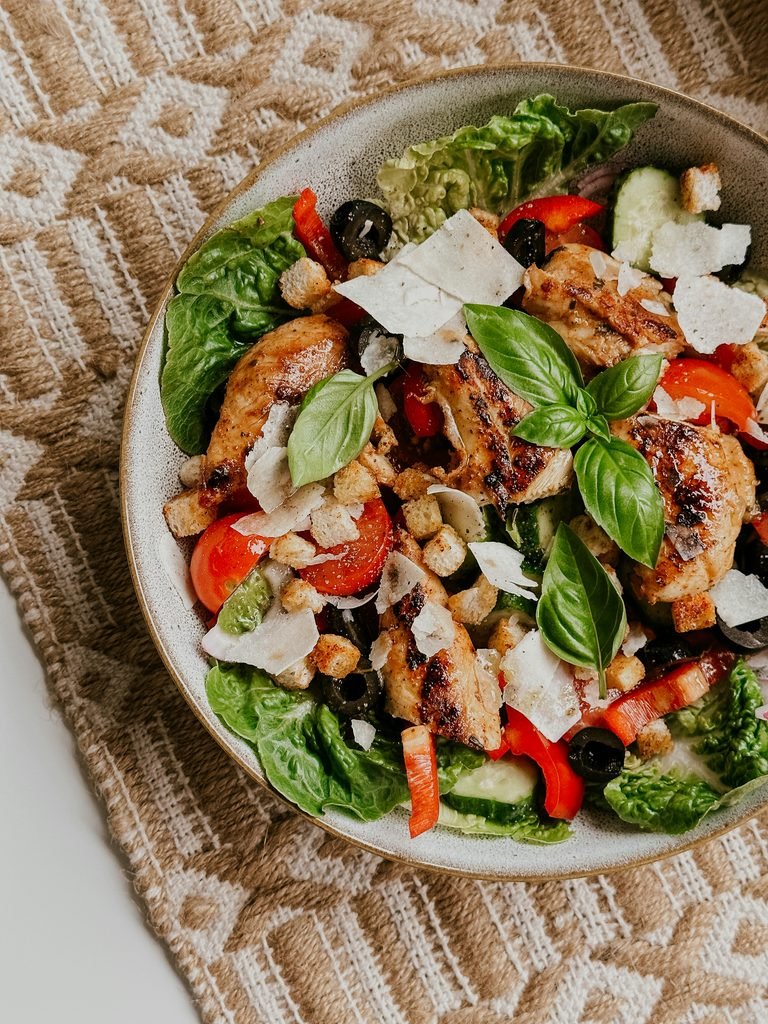
A Greek chicken and chickpea salad turns a simple bowl of greens into a satisfying meal. Combine grilled chicken with chickpeas, cucumber, tomatoes, red onion, spinach, and a small amount of feta cheese. Chickpeas provide fiber and plant protein, while chicken adds more protein to make the salad feel like a real meal rather than a side dish. Whole vegetables add crunch, water, vitamins, minerals, and more fiber.
For the dressing, whisk together lemon juice, olive oil, garlic, oregano, black pepper, and a small amount of salt. Pour it over the salad just before serving. You can also add cooked quinoa or a small portion of whole-grain pita if you need more carbohydrates. The combination of creamy chickpeas, crisp vegetables, tender chicken, and bright lemon makes the meal feel fresh rather than heavy.
This is also one of the easiest lunches to pack. Keep the dressing in a separate container and add it when you are ready to eat. If you are preparing several servings, store the cucumber and tomatoes separately when possible to help maintain their texture. The basic formula can also be changed with tuna, turkey, tofu, or salmon.
Meal 4: Salmon and Quinoa Power Bowl
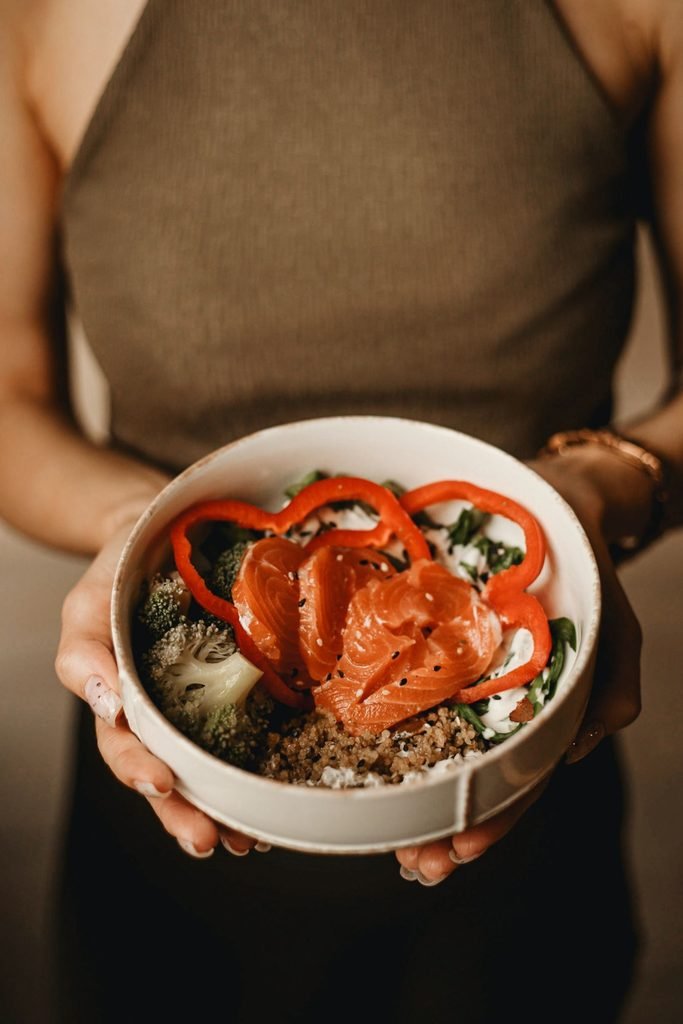
A salmon and quinoa power bowl combines protein-rich fish with a fiber-friendly whole grain and plenty of vegetables. Bake salmon with garlic, lemon, black pepper, and paprika, then serve it over cooked quinoa. Add spinach, roasted broccoli, cucumber, carrots, and avocado for a colorful bowl with different textures. You can finish it with lemon juice or a simple yogurt-herb sauce.
Quinoa is useful because it works as a base for many different meals and pairs well with fish. Roasted vegetables bring sweetness and texture, while fresh cucumber adds crunch. If you want more fiber, add chickpeas or a spoonful of edamame. The result is one of those high fiber high protein meals that feels substantial while still tasting fresh.
To save time, cook several portions of quinoa at once and keep them refrigerated. You can also roast a large tray of vegetables at the same time. When dinner arrives, you only need to cook the salmon and assemble the bowl. This makes a good option for busy weekdays when you want something better than grabbing a random snack or takeout meal.
Meal 5: Beef and Bean Stuffed Sweet Potatoes
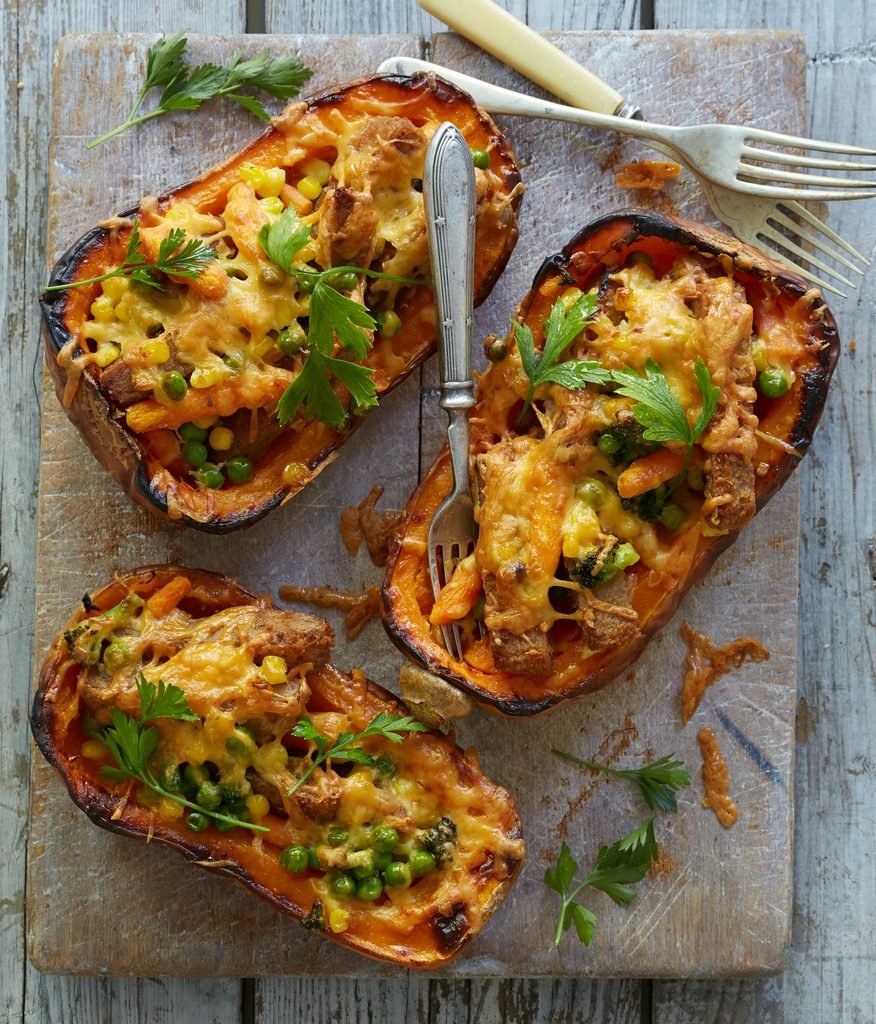
Beef and bean stuffed sweet potatoes combine a naturally sweet vegetable with savory protein and fiber. Roast sweet potatoes until soft, then fill them with lean ground beef, black beans, diced tomatoes, onions, and spices. The sweet potato provides fiber and carbohydrates, while the beef and beans create a hearty protein combination. Add chopped cilantro, Greek yogurt, salsa, or avocado on top.
Season the beef with cumin, chili powder, garlic, paprika, and black pepper. Cook it with onions and tomatoes until the mixture becomes thick and flavorful. Stir in the beans near the end so they keep some texture. If you prefer a meat-free version, replace the beef with lentils, tofu crumbles, or more beans.
This meal can also become a useful meal-prep dish. Bake several sweet potatoes at once and prepare the beef-and-bean filling in a skillet. Keep them in separate containers and assemble when you are ready to eat. The same filling can later become a taco bowl, wrap, or salad topping, making one cooking session useful for several meals.
Meal 6: Egg and Black Bean Breakfast Bowl
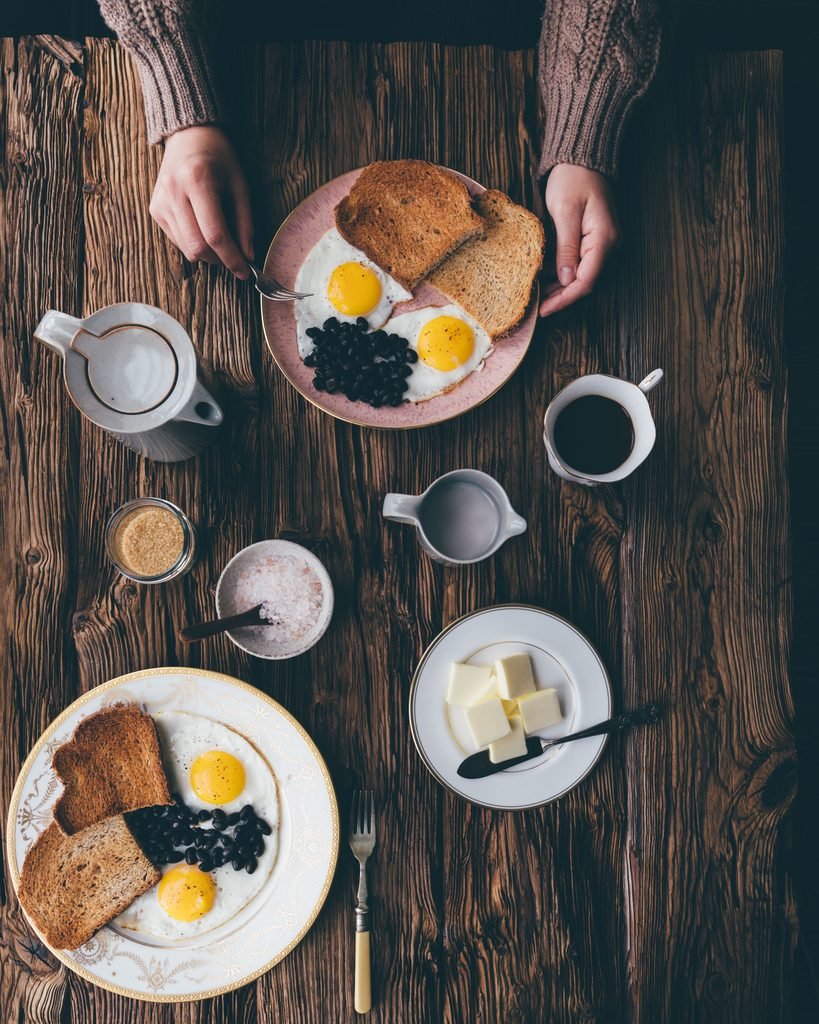
Breakfast does not have to be built around sugary cereal or toast. An egg and black bean breakfast bowl gives you a savory way to start the day with protein and fiber. Scramble two eggs with spinach and peppers, then serve them with black beans, tomatoes, avocado, and a small portion of whole-grain toast or brown rice. The combination gives you several textures and flavors in one bowl.
Black beans make this breakfast especially useful because they provide both protein and fiber. Eggs add high-quality protein and make the meal feel rich without requiring a large portion. Spinach and peppers add vegetables, while salsa can provide a bright, spicy finish. If you want even more protein, add Greek yogurt on the side or mix cottage cheese into the eggs.
You can prepare some parts of the bowl ahead of time. Cook the beans, peppers, and rice in advance, then make fresh eggs when you are ready to eat. If mornings are rushed, use leftover roasted vegetables instead of cooking vegetables from scratch. This is a practical example of how high protein high fiber meals can work at any time of day.
Meal 7: Tuna and White Bean Salad
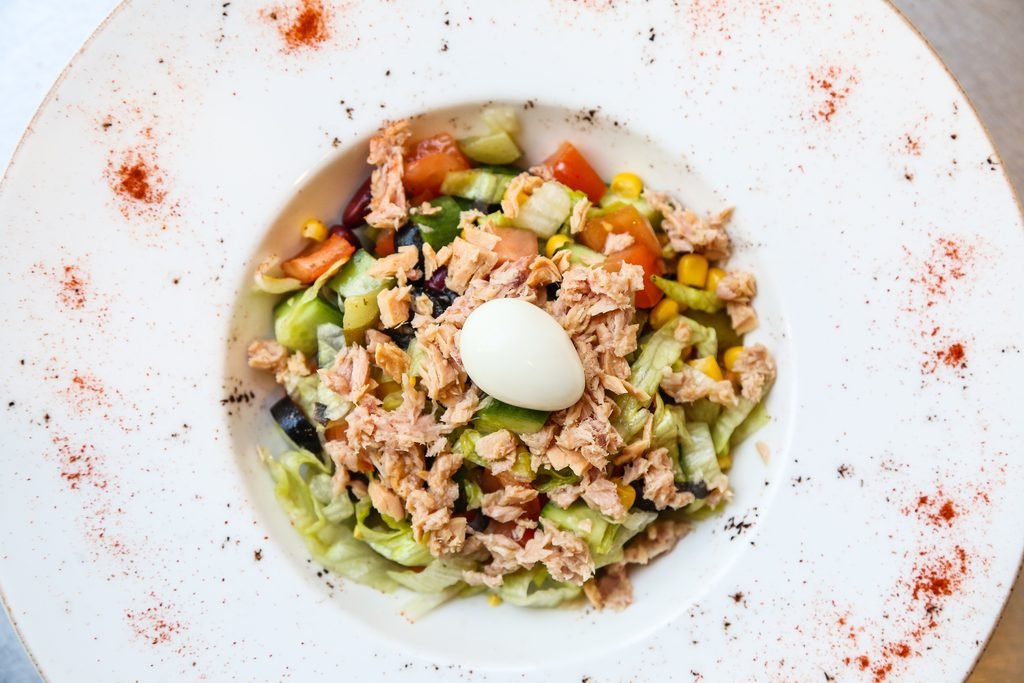
A tuna and white bean salad is fast enough for lunch and filling enough to serve as a full meal. Mix tuna with cannellini or great northern beans, cucumber, tomatoes, red onion, parsley, and leafy greens. Tuna provides protein, while white beans add fiber and additional plant protein. Lemon juice, olive oil, mustard, black pepper, and herbs create a simple dressing.
You do not need to cook much for this meal. Drain the tuna and beans, chop the vegetables, mix everything together, and serve. If you want more carbohydrates, add whole-grain toast, quinoa, or a small baked potato. If you want more vegetables, add shredded carrots, bell peppers, cabbage, or broccoli.
For meal prep, keep the dressing separate until serving. This helps the greens stay crisp and lets you adjust the amount of dressing each day. You can also replace tuna with canned salmon or cooked chicken. The basic idea stays the same: combine a lean protein with beans and several plant foods to create a quick bowl with plenty of texture.
Meal 8: Turkey, Avocado, and Lentil Wrap
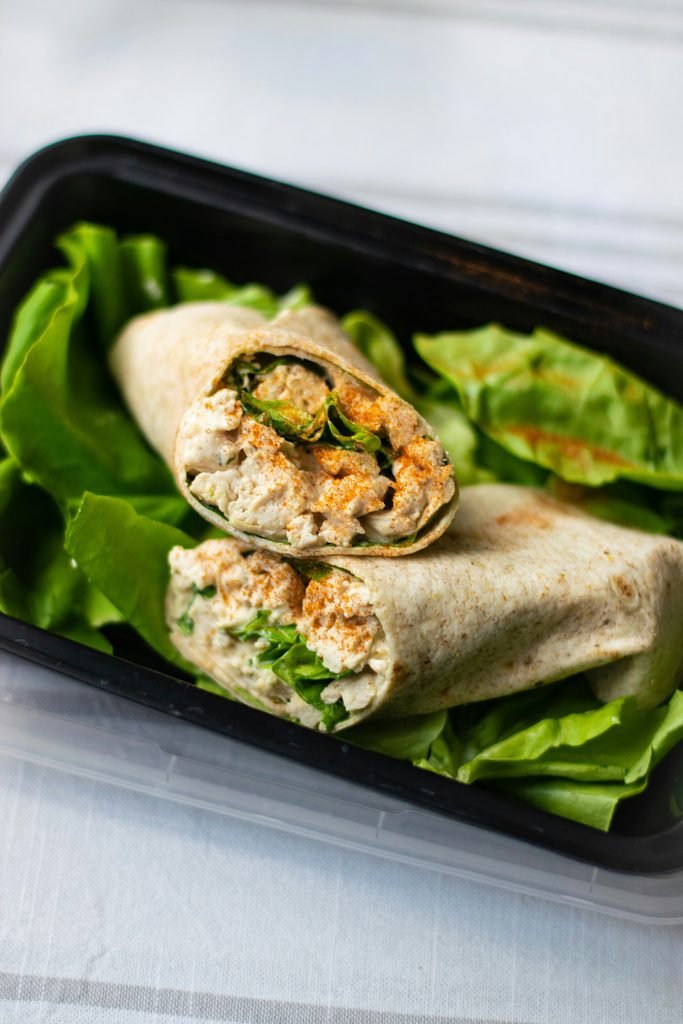
A turkey, avocado, and lentil wrap is a portable option for work, school, or travel. Fill a whole-grain tortilla with sliced turkey, cooked lentils, avocado, spinach, shredded carrots, cucumber, and tomato. Turkey supplies protein, while lentils add fiber and plant protein. The vegetables add crunch and volume, and avocado gives the wrap a creamy texture.
Use a whole-grain tortilla when available to increase the fiber content of the meal. You can spread the tortilla with hummus or Greek yogurt before adding the filling. A squeeze of lemon or lime can brighten the flavors. For a spicy version, add salsa or a little hot sauce.
To keep the wrap from falling apart, avoid adding too much wet filling. Place spinach or lettuce against the tortilla first, then add the other ingredients and roll it tightly. You can prepare the lentils and vegetables ahead of time, but assemble the wrap close to mealtime for the best texture. It is a simple example of how high fiber high protein meals can be convenient rather than time-consuming.
Also check out our Healthy Recipes With Ground Beef
Meal 9: Tofu and Edamame Stir-Fry
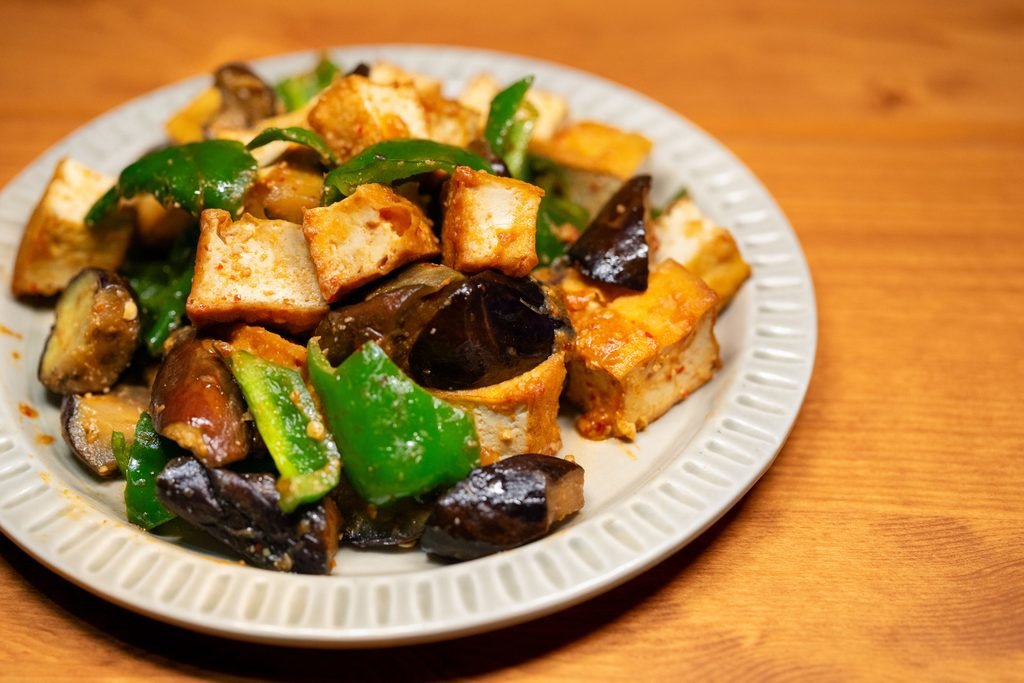
A tofu and edamame stir-fry is a strong plant-based choice when you want a meal with substantial protein and fiber. Pan-sear firm tofu until golden, then add edamame, broccoli, bell peppers, carrots, cabbage, and onions. Serve the mixture over brown rice, quinoa, or another whole grain. A simple sauce made with low-sodium soy sauce, ginger, garlic, rice vinegar, and sesame can bring the whole dish together.
Tofu and edamame work especially well together because they provide plant-based protein while the vegetables add fiber and volume. You can change the vegetables based on what you already have. Frozen broccoli, peas, or mixed vegetables can work when fresh produce is not available. This makes the meal flexible and budget-friendly.
For better texture, cook the tofu separately until the outside is golden before adding it back to the pan. Keep the vegetables slightly crisp instead of cooking them until soft. If you are preparing this meal for several days, store the sauce separately when possible. Reheat the rice, vegetables, and tofu, then add the sauce just before eating.
Meal 10: Chicken, Barley, and Vegetable Soup
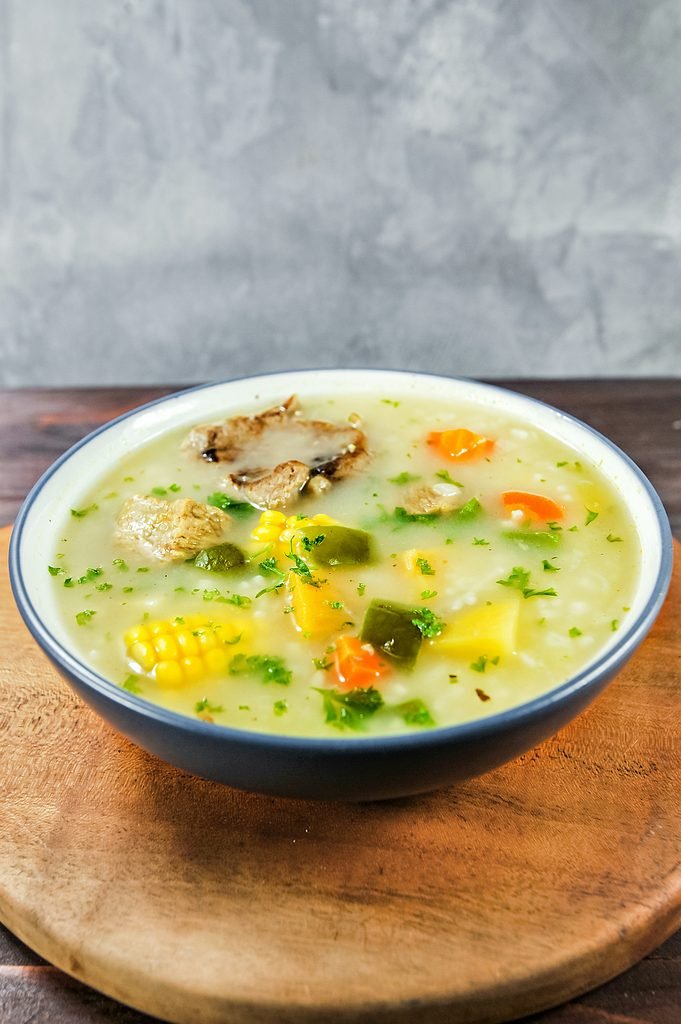
Chicken, barley, and vegetable soup is a comforting way to combine protein, fiber, and vegetables in one pot. Add cooked chicken, pearl barley, carrots, celery, onions, tomatoes, spinach, and herbs to a flavorful broth. Chicken supplies protein, while barley and vegetables contribute fiber and carbohydrates. The soup becomes even more filling when you add beans or lentils.
Start by cooking the onions, carrots, and celery until they begin to soften. Add broth, barley, tomatoes, and seasonings, then simmer until the barley is tender. Stir in cooked chicken and leafy greens near the end so they do not overcook. A squeeze of lemon can brighten the soup before serving.
Soup is ideal for batch cooking because it stores well and can be reheated quickly. USDA meal-planning guidance also suggests cooking ahead and portioning leftovers to make future meals easier. (MyPlate) You can freeze individual portions and thaw them when needed. On a busy evening, having a ready-made bowl of chicken and barley soup can make healthy eating much easier.
Meal 11: Cottage Cheese and Berry Oat Bowl
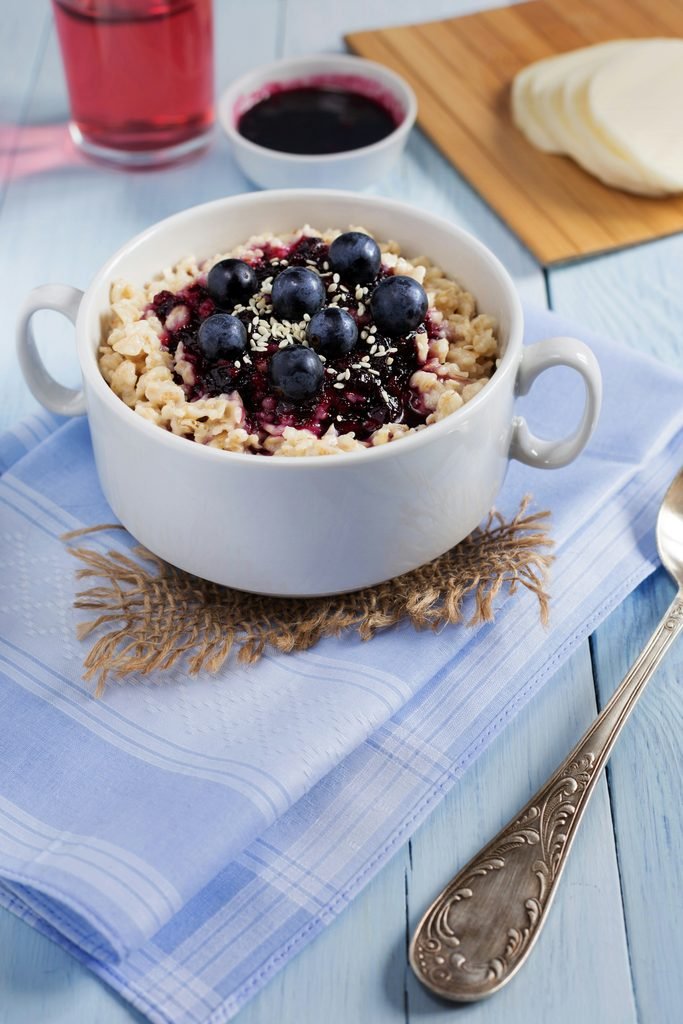
A cottage cheese and berry oat bowl proves that high protein high fiber meals are not limited to savory dishes. Combine cottage cheese with rolled oats, berries, chia seeds, walnuts, and cinnamon. Cottage cheese provides protein, while oats, berries, chia seeds, and nuts contribute fiber and other nutrients. You can prepare it the night before or assemble it in just a few minutes in the morning.
Use fresh or frozen berries depending on what you have available. Blueberries, strawberries, raspberries, and blackberries all work well. Chia seeds absorb liquid and help create a thicker texture, while walnuts add crunch. If you want more sweetness, add a small amount of fruit or a drizzle of honey.
For a warm version, cook the oats first and stir in cottage cheese after cooking. You can also add Greek yogurt if you want a creamier bowl. This breakfast works well for people who want something quick but do not want to rely on highly processed breakfast foods. It can also be adjusted with apples, pears, pumpkin seeds, or peanut butter.
Meal 12: Shrimp and Chickpea Grain Bowl
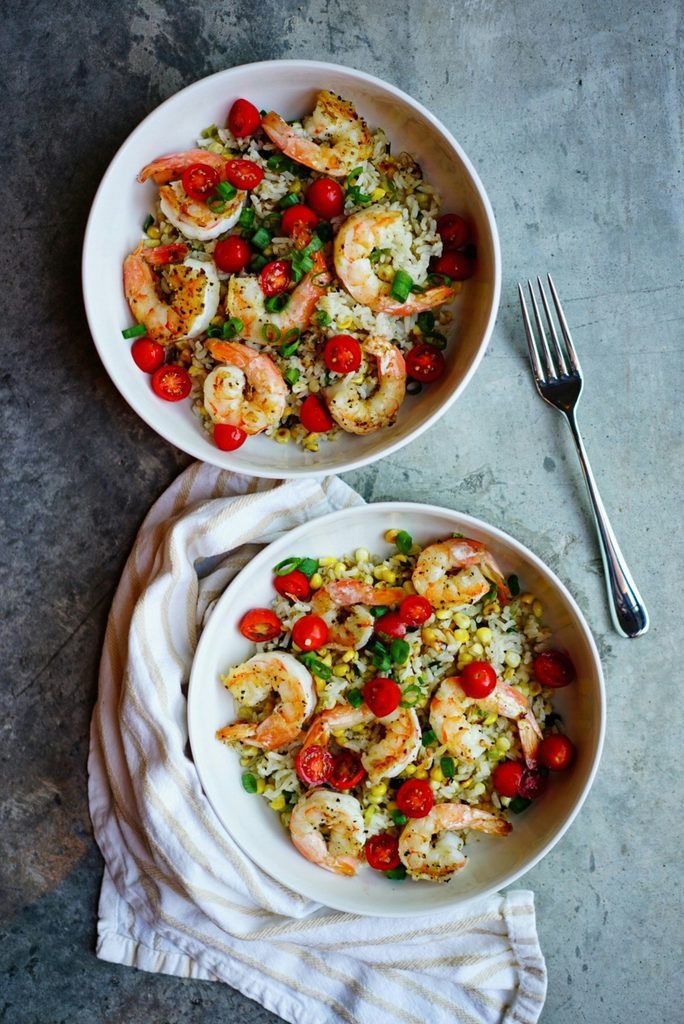
A shrimp and chickpea grain bowl is a fast dinner with plenty of flavor. Cook shrimp with garlic, paprika, lemon, and black pepper, then serve it over quinoa, farro, or brown rice. Add chickpeas, spinach, tomatoes, cucumber, and roasted peppers for more fiber and texture. A lemon-herb dressing ties the ingredients together without needing a heavy sauce.
Shrimp cooks quickly, so this meal is useful when you have little time. While the shrimp cooks, you can warm the chickpeas and grain and chop the vegetables. If you already have cooked quinoa or brown rice in the refrigerator, the entire bowl can come together even faster. Add avocado or pumpkin seeds if you want a little more richness.
You can also turn this bowl into a Mediterranean-style meal. Add parsley, oregano, lemon, cucumber, tomato, and a spoonful of Greek yogurt sauce. The combination of seafood, legumes, whole grains, and vegetables creates a meal that feels varied rather than repetitive. It is another easy way to make high fiber high protein meals part of a normal weekly routine.
Meal 13: Turkey and Lentil Pasta
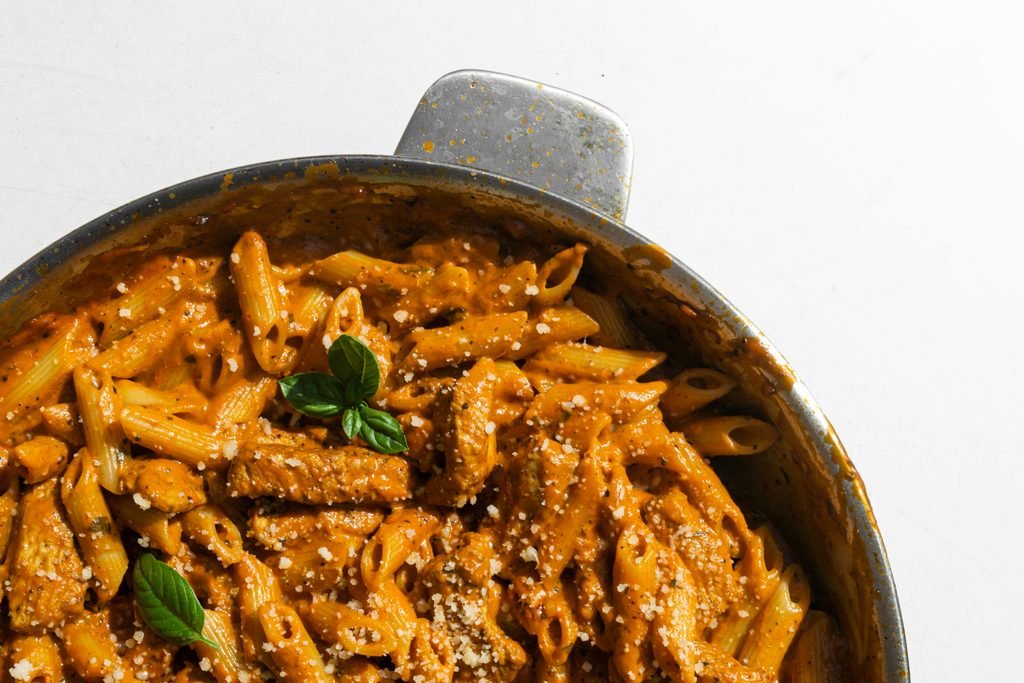
Turkey and lentil pasta is a comforting dinner that can still fit into a high protein high fiber eating pattern. Cook lean ground turkey with onions, garlic, tomatoes, spinach, and Italian herbs, then add lentils to the sauce. Serve it over whole-grain or legume-based pasta. The turkey and lentils provide protein, while lentils, vegetables, and whole-grain pasta can increase the fiber in the meal.
A tomato-based sauce works well because it keeps the dish moist and flavorful without requiring a creamy sauce. Add mushrooms, zucchini, carrots, or bell peppers if you want more vegetables. Parmesan can be used as a finishing touch, but you do not need a large amount to create flavor. Fresh basil, parsley, chili flakes, or black pepper can also make the dish taste brighter.
This meal is excellent for leftovers because the sauce can be prepared in a large batch. Store the pasta and sauce separately if you plan to eat it over several days. You can also use the sauce over roasted vegetables or a baked potato. That flexibility makes it one of the more practical high protein high fiber meals for busy households.
Simple Ways to Prep These Meals
Meal prep does not have to mean spending an entire Sunday cooking twelve different recipes. A better approach is to prepare a few basic ingredients that can be mixed into different meals. Cook a batch of chicken, turkey, lentils, beans, brown rice, quinoa, or barley, then keep chopped vegetables and simple sauces ready in the refrigerator. USDA guidance also recommends cooking ahead and portioning leftovers as a way to save time. (MyPlate)
Try preparing two proteins, two fiber-rich foods, one whole grain, and several vegetables at the start of the week. For example, you could cook chicken and turkey, prepare black beans and lentils, make quinoa, and roast broccoli and peppers. Those ingredients can become burrito bowls, salads, wraps, soups, and pasta meals without feeling like the exact same dish every day.
Frozen vegetables can also make meal prep easier. USDA notes that frozen produce can reduce preparation time and can be useful to keep on hand. (MyPlate) Canned beans are another convenient option; simply drain and rinse them before use. The goal is to remove small barriers between you and a balanced meal.
How to Make High Protein High Fiber Meals More Filling
If your meals still leave you hungry, look at the combination rather than simply increasing the portion size of one food. Add a clear protein source such as chicken, fish, eggs, tofu, Greek yogurt, cottage cheese, beans, or lentils. Then add fiber-rich foods such as vegetables, fruit, legumes, oats, barley, or whole grains. Nuts, seeds, and avocado can provide additional richness, while sauces and herbs can make the meal more enjoyable.
It also helps to vary textures. A bowl with only soft foods can become boring quickly, while crisp vegetables, creamy avocado, chewy grains, tender protein, and crunchy seeds make each bite more interesting. Flavor matters too. Lemon, lime, garlic, ginger, herbs, spices, salsa, mustard, and yogurt-based sauces can transform basic ingredients.
Do not feel that every meal needs to contain an extreme amount of protein or fiber. Individual nutrition needs differ, and NIH guidance emphasizes that dietary reference values vary based on factors such as age, sex, and life stage. (Office of Dietary Supplements) If you have a medical condition or specific dietary needs, a registered dietitian or other qualified health professional can help you choose targets that fit you.
Conclusion
The best high fiber high protein meals are meals you will actually want to eat again. Chicken and black bean bowls, lentil chili, Greek chicken salad, salmon quinoa bowls, stuffed sweet potatoes, savory egg bowls, tuna and white bean salads, wraps, tofu stir-fries, hearty soups, cottage cheese oat bowls, shrimp grain bowls, and turkey lentil pasta all offer different flavors while using many of the same basic ingredients.
You do not need an elaborate meal plan to get started. Pick three or four meals from this list, buy the main ingredients, and prepare a few components ahead of time. Keep beans, lentils, whole grains, vegetables, eggs, and a few protein-rich foods available so you always have something to build around.
A simple meal built from protein + fiber-rich plants + whole grains or other nutrient-dense carbohydrates + vegetables can be a much better starting point than chasing complicated recipes. MyPlate encourages variety across vegetables, fruits, grains, protein foods, and dairy or fortified alternatives, which gives you plenty of room to create meals that fit your preferences. (MyPlate)
Also check out our post on Healthy Recipes With Ground Beef.
FAQs
1. What are high fiber high protein meals?
They are meals that combine meaningful sources of protein with foods rich in dietary fiber. Examples include chicken with black beans, lentil chili, tofu with edamame, salmon with quinoa and vegetables, and Greek chicken with chickpeas.
2. What foods are high in both protein and fiber?
Beans, lentils, chickpeas, peas, and soy foods are useful because they can provide both protein and fiber. Nuts and seeds can also contribute both, while foods such as chicken, fish, eggs, and dairy provide protein and can be paired with high-fiber plant foods.
3. Are high protein high fiber meals good for breakfast?
Yes. Eggs with black beans, cottage cheese with oats and berries, Greek yogurt with chia seeds and fruit, or tofu with vegetables can make satisfying breakfast choices.
4. Can I make these meals ahead of time?
Yes. Many of these meals work well for meal prep. Cook proteins, beans, lentils, grains, and vegetables in batches, then combine them in different ways throughout the week.
5. How can I add more fiber to a high-protein meal?
Add beans, lentils, vegetables, fruit, oats, barley, whole grains, nuts, or seeds. A simple way to increase fiber is to pair every main protein with at least one substantial plant-based food.
[…] check out our Healthy High Fiber High Protein Meals […]